Education South West was formed on 1st January 2017 through the merger of two existing Multi Academy Trusts, Academies South West and Templer Academy Schools Trust.
Schools
The founding schools are all in South Devon, and are a mix of primary, all-through and secondary
Events
Browse our event calendar to find out all you need to know about our upcoming events this year.
Latest News
-
October 23rd, 2026
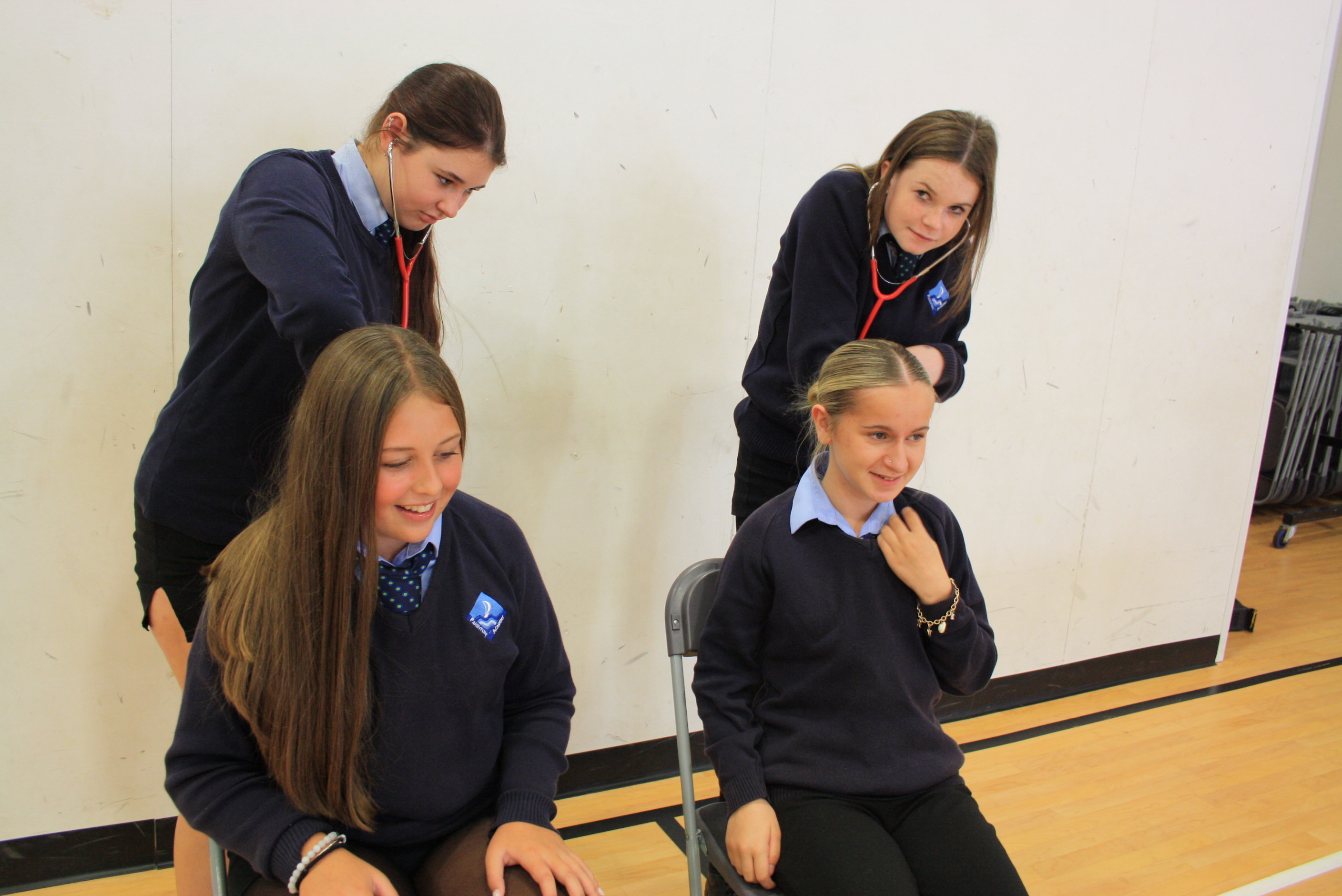
South Devon UTC Inspires Future Healthcare Professionals with Mini Medics Workshop Year 9 students from five local schools have explored a range of healthcare careers through a hands-on workshop at South Devon UTC this month. The Mini Medics Workshop brought together students from The Spires College, Coombeshead Academy, Teign School, Paignton Academy and Newton Abbot College, alongside South Devon UTC students, for a practical introduction to the wide range of opportunities available in the healthcare sector. Students took part in a series of activities designed to bring healthcare careers to life, including recording and printing their own electrocardiograms (ECGs), using ultrasound equipment to examine blood vessels and growth plates, and practising blood-taking techniques on simulation arms. They also explored lung function, tried keyhole surgery equipment and learned how to suture artificial skin. The activities offered an insight into specialist roles including cardiac physiologist, vascular scientist, phlebotomist, respiratory physiologist, operating department practitioner and osteopath, helping students understand the skills, knowledge and technologies involved in working in healthcare. South Devon UTC’s year 10 Health Care students also took part in several of the practical sessions, creating opportunities for students to learn together and share their enthusiasm for the subject. By providing opportunities to experience healthcare in practice, South Devon UTC continues to demonstrate its commitment to industry-led learning, helping young people connect their education with future careers and make informed decisions about their next steps. Claire Plumb, Headteacher at South Devon UTC, said: “It was fantastic to welcome students from across the area to explore the many different career opportunities available in healthcare. The Mini Medics Workshop gave them the chance to get hands-on with equipment and techniques used by healthcare professionals, helping them see how the knowledge and skills they develop through their education can be applied in the workplace. We hope the experience has inspired them to find out more about the wide range of pathways into the sector.” Matthew Shanks, CEO of Education South West said: “Experiences like this are a great example of how we can help young people connect their learning with future opportunities. By working together and giving students the chance to explore different professions in a practical way, we can broaden their horizons and help them make informed choices about their futures. We are proud to see South Devon UTC providing these valuable experiences for students from across the local community.”
South Devon UTC Inspires Future Healthcare Professionals with Mini Medics Workshop
Year 9 students from five local schools have explored a range of healthcare careers through a hands-on workshop at South Devon UTC this month.
The Mini Medics Workshop brought together students from The Spires College, Coombeshead Academy, Teign School, Paignton Academy and Newton Abbot College, alongside South Devon UTC students, for a practical introduction to the wide range of opportunities available in the healthcare sector.
Students took part in a series of activities designed to bring healthcare careers to life, including recording and printing their own electrocardiograms (ECGs), using ultrasound equipment to examine blood vessels and growth plates, and practising blood-taking techniques on simulation arms. They also explored lung function, tried keyhole surgery equipment and learned how to suture artificial skin.
The activities offered an insight into specialist roles including cardiac physiologist, vascular scientist, phlebotomist, respiratory physiologist, operating department practitioner and osteopath, helping students understand the skills, knowledge and technologies involved in working in healthcare.
South Devon UTC’s year 10 Health Care students also took part in several of the practical sessions, creating opportunities for students to learn together and share their enthusiasm for the subject.
By providing opportunities to experience healthcare in practice, South Devon UTC continues to demonstrate its commitment to industry-led learning, helping young people connect their education with future careers and make informed decisions about their next steps.
Claire Plumb, Headteacher at South Devon UTC, said:
“It was fantastic to welcome students from across the area to explore the many different career opportunities available in healthcare. The Mini Medics Workshop gave them the chance to get hands-on with equipment and techniques used by healthcare professionals, helping them see how the knowledge and skills they develop through their education can be applied in the workplace. We hope the experience has inspired them to find out more about the wide range of pathways into the sector.”
Matthew Shanks, CEO of Education South West said:
“Experiences like this are a great example of how we can help young people connect their learning with future opportunities. By working together and giving students the chance to explore different professions in a practical way, we can broaden their horizons and help them make informed choices about their futures. We are proud to see South Devon UTC providing these valuable experiences for students from across the local community.”
-
October 19th, 2026
Kingsbridge Community College raises £270 for Hello Yellow Day Students and staff at Kingsbridge Community College came together to celebrate Hello Yellow Day, raising an impressive £270 while spreading kindness and raising awareness of mental health. The event was organised with the support of the college’s Sixth Form Student Leaders and the MHA team, with Year 7 students playing a starring role by baking cakes for their very first House event. The college community showed its support by buying cakes and visiting the event’s popular photo frame to capture their Hello Yellow moments. The day created a fantastic atmosphere, bringing students together and encouraging everyone to get involved. Kingsbridge Community College is proud of all the students and staff who helped make the event such a success. The £270 raised reflects the enthusiasm and generosity of the school community, demonstrating how small acts of kindness can make a positive difference.
Kingsbridge Community College raises £270 for Hello Yellow Day
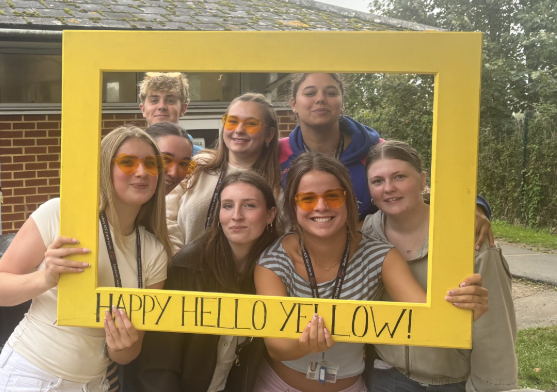
Students and staff at Kingsbridge Community College came together to celebrate Hello Yellow Day, raising an impressive £270 while spreading kindness and raising awareness of mental health.
The event was organised with the support of the college’s Sixth Form Student Leaders and the MHA team, with Year 7 students playing a starring role by baking cakes for their very first House event.
The college community showed its support by buying cakes and visiting the event’s popular photo frame to capture their Hello Yellow moments. The day created a fantastic atmosphere, bringing students together and encouraging everyone to get involved.
Kingsbridge Community College is proud of all the students and staff who helped make the event such a success. The £270 raised reflects the enthusiasm and generosity of the school community, demonstrating how small acts of kindness can make a positive difference.
-
October 9th, 2026
Kingsbridge Community College Students Take Biology Learning into the Field at Nettlecombe Court Year 13 Biology students from KCC sixth form have put their ecological knowledge into practice during an intensive three-day residential fieldwork trip to Nettlecombe Court. Based at the Grade I listed estate in Somerset, the students spent three days carrying out practical investigations across a range of habitats, applying the ecological concepts they have studied in the classroom to real-world environments. The fieldwork focused on sampling both biotic and abiotic components of different ecosystems. In freshwater habitats, students investigated contrasting microhabitats including riffles and ponds, examining how factors such as flow rate and water movement influence macroinvertebrate communities. They also had the opportunity to observe and investigate invertebrate behaviour in the field. The students then turned their attention to terrestrial habitats, mastering the use of point quadrats to accurately measure the percentage cover of grassland vegetation. They also carried out a unique investigation into the distribution of lichen on gravestones in the historic churchyard, using their findings to explore succession and the effects of microclimate and weathering. One of the highlights of the trip was a small mammal ecology investigation. Students set humane Longworth traps overnight in boundary vegetation and successfully caught a shrew. This provided a valuable opportunity for them to study mammal adaptations and learn more about ethical capture techniques before safely releasing the animal. The learning continued after the fieldwork each day, with students returning to the classroom to collate their data and carry out statistical analyses. Despite the long days and evening work, students remained positively engaged throughout the residential and made the most of the opportunity to develop their practical scientific skills. Tina Graham, Principal at Kingsbridge Community College, said: “This was a fantastic opportunity for our Year 13 Biology students to take their learning beyond the classroom and experience ecological fieldwork first hand. The range of investigations they carried out required them to apply their knowledge, collect and analyse real data and work collaboratively as scientists. “Experiences like this not only strengthen their academic learning but also help our students develop the confidence, independence and practical skills that will serve them well in their next steps.” Matthew Shanks, CEO of Education South West said: “It is wonderful to see Kingsbridge Community College giving students the opportunity to experience science in such an immersive and practical way. Fieldwork like this brings the curriculum to life and allows students to understand how the scientific principles they learn in the classroom are applied to real environments.”
Kingsbridge Community College Students Take Biology Learning into the Field at Nettlecombe Court
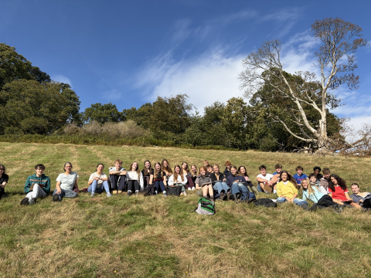
Year 13 Biology students from KCC sixth form have put their ecological knowledge into practice during an intensive three-day residential fieldwork trip to Nettlecombe Court.
Based at the Grade I listed estate in Somerset, the students spent three days carrying out practical investigations across a range of habitats, applying the ecological concepts they have studied in the classroom to real-world environments.
The fieldwork focused on sampling both biotic and abiotic components of different ecosystems. In freshwater habitats, students investigated contrasting microhabitats including riffles and ponds, examining how factors such as flow rate and water movement influence macroinvertebrate communities. They also had the opportunity to observe and investigate invertebrate behaviour in the field.
The students then turned their attention to terrestrial habitats, mastering the use of point quadrats to accurately measure the percentage cover of grassland vegetation. They also carried out a unique investigation into the distribution of lichen on gravestones in the historic churchyard, using their findings to explore succession and the effects of microclimate and weathering.
One of the highlights of the trip was a small mammal ecology investigation. Students set humane Longworth traps overnight in boundary vegetation and successfully caught a shrew. This provided a valuable opportunity for them to study mammal adaptations and learn more about ethical capture techniques before safely releasing the animal.
The learning continued after the fieldwork each day, with students returning to the classroom to collate their data and carry out statistical analyses. Despite the long days and evening work, students remained positively engaged throughout the residential and made the most of the opportunity to develop their practical scientific skills.
Tina Graham, Principal at Kingsbridge Community College, said:
“This was a fantastic opportunity for our Year 13 Biology students to take their learning beyond the classroom and experience ecological fieldwork first hand. The range of investigations they carried out required them to apply their knowledge, collect and analyse real data and work collaboratively as scientists.
“Experiences like this not only strengthen their academic learning but also help our students develop the confidence, independence and practical skills that will serve them well in their next steps.”
Matthew Shanks, CEO of Education South West said:
“It is wonderful to see Kingsbridge Community College giving students the opportunity to experience science in such an immersive and practical way. Fieldwork like this brings the curriculum to life and allows students to understand how the scientific principles they learn in the classroom are applied to real environments.”
-
October 9th, 2026
Teign Sixth Form Students Build International Connections with Afghan Girls Year 12 students at Teign School sixth form have gained a unique insight into the lives of girls their own age in Afghanistan through an international project designed to build connections between young women across two very different educational experiences. The Afghan Girls Project brought students from Teign Sixth Form College together with girls in Afghanistan for four one-hour online meetings, giving them the opportunity to learn about each other’s lives, experiences and aspirations. The project was delivered in partnership with the British Council and Victory Afghanistan, an American non-profit organisation which provides girls and women in Afghanistan with free access to an online educational pathway, beginning with English education and progressing to mentoring and wider opportunities. Across the four sessions, students explored topics including getting to know one another, education and aspirations, where they live and gender stereotypes. Between meetings, students were also able to continue sharing information and reflections. For the Teign students, the project provided an opportunity to move beyond headlines and gain a more personal understanding of the experiences of girls living in Afghanistan, while also reflecting on their own education and opportunities. Alicia, a Year 12 student who took part, said: I decided to take part in the Afghan Girls project because I had read in the news about the exclusion of women and girls from education, health services, work, and so much more. When the opportunity was presented to me, I felt that it would be a once in a lifetime opportunity to learn first-hand about the lives of females in Afghanistan and understand how they drastically differ to my own. It was incredibly eye-opening and enriching. There were moments where I felt upset and frustrated about what they face, but also moments of inspiration seeing how brave and determined they are to keep learning despite the many setbacks. I learnt just how precious education is, and that it is not something to be taken for granted. It also taught me how much resilience people can have even when things seem impossible. The project has given Teign students the opportunity to develop their understanding of another culture and educational system, while building meaningful connections with young women thousands of miles away. Lucie Wagner, Head of School at Teign School, said: “Projects like this give our students an invaluable opportunity to look beyond their own experiences and develop a deeper understanding of the lives of young people in other parts of the world. “It has been wonderful to see our students engage so thoughtfully with the Afghan Girls Project, listening to the experiences of the girls they met and reflecting on their own opportunities and education. The conversations have encouraged them to think about the value of education and the importance of understanding perspectives that may be very different from their own.” Matthew Shanks, CEO of Education South West, said: “We are incredibly proud of the students who took part in this project and the maturity and curiosity they have shown throughout. Hearing directly from girls of a similar age in Afghanistan has clearly had a lasting impact on our students and encouraged them to appreciate the opportunities they have while thinking about the experiences of others.”
Teign Sixth Form Students Build International Connections with Afghan Girls
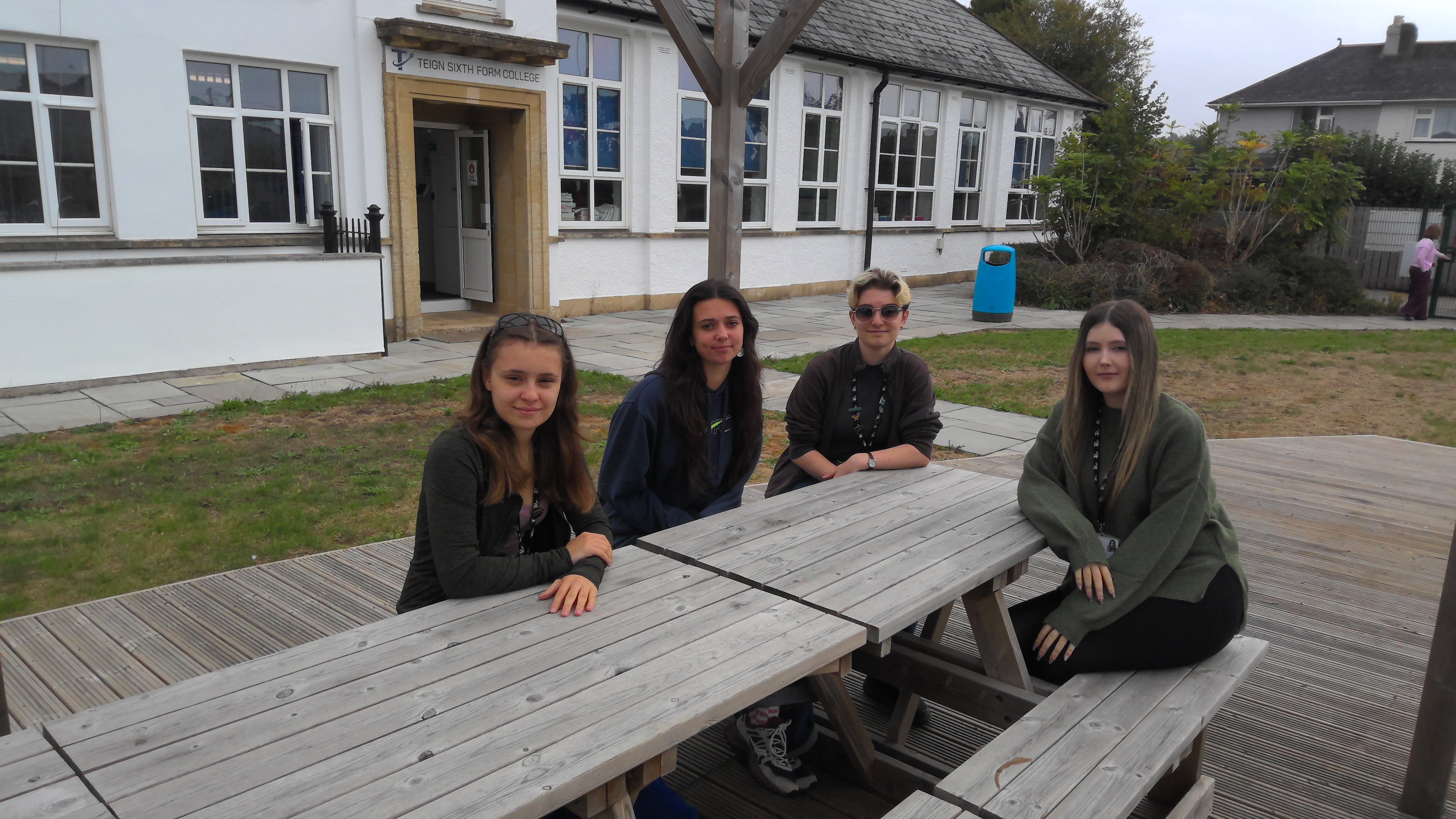
Year 12 students at Teign School sixth form have gained a unique insight into the lives of girls their own age in Afghanistan through an international project designed to build connections between young women across two very different educational experiences.
The Afghan Girls Project brought students from Teign Sixth Form College together with girls in Afghanistan for four one-hour online meetings, giving them the opportunity to learn about each other’s lives, experiences and aspirations.
The project was delivered in partnership with the British Council and Victory Afghanistan, an American non-profit organisation which provides girls and women in Afghanistan with free access to an online educational pathway, beginning with English education and progressing to mentoring and wider opportunities.
Across the four sessions, students explored topics including getting to know one another, education and aspirations, where they live and gender stereotypes. Between meetings, students were also able to continue sharing information and reflections.
For the Teign students, the project provided an opportunity to move beyond headlines and gain a more personal understanding of the experiences of girls living in Afghanistan, while also reflecting on their own education and opportunities.
Alicia, a Year 12 student who took part, said: I decided to take part in the Afghan Girls project because I had read in the news about the exclusion of women and girls from education, health services, work, and so much more. When the opportunity was presented to me, I felt that it would be a once in a lifetime opportunity to learn first-hand about the lives of females in Afghanistan and understand how they drastically differ to my own.
It was incredibly eye-opening and enriching. There were moments where I felt upset and frustrated about what they face, but also moments of inspiration seeing how brave and determined they are to keep learning despite the many setbacks. I learnt just how precious education is, and that it is not something to be taken for granted. It also taught me how much resilience people can have even when things seem impossible.
The project has given Teign students the opportunity to develop their understanding of another culture and educational system, while building meaningful connections with young women thousands of miles away.
Lucie Wagner, Head of School at Teign School, said:
“Projects like this give our students an invaluable opportunity to look beyond their own experiences and develop a deeper understanding of the lives of young people in other parts of the world.
“It has been wonderful to see our students engage so thoughtfully with the Afghan Girls Project, listening to the experiences of the girls they met and reflecting on their own opportunities and education. The conversations have encouraged them to think about the value of education and the importance of understanding perspectives that may be very different from their own.”
Matthew Shanks, CEO of Education South West, said:
“We are incredibly proud of the students who took part in this project and the maturity and curiosity they have shown throughout. Hearing directly from girls of a similar age in Afghanistan has clearly had a lasting impact on our students and encouraged them to appreciate the opportunities they have while thinking about the experiences of others.”
-
October 9th, 2026
Wynstream Primary Celebrates 40 Colourful Years of Dedicated Teaching Assistant Wynstream Primary School held a special day of celebration for Mrs Bassett, a teaching assistant, to mark her 40th year of service at the school. Mrs Bassett originally volunteered to help with reading at the school before taking up an official position in September 1986. One of the reasons why she is so appreciated by everyone at Wynstream is that she wears colourful clothing every day. Each day is a different outfit, often colour themed and she takes requests from the children about what she should wear. Favourite outfits include a flamingo themed one, for which she dons special flamingo slippers, earring and leggings. The school invited pupils, staff members and parents to dress as colourfully as Mrs Bassett does to create a special atmosphere for her and demonstrate how much she is valued by the entire school community. Elise Redman, headteacher at Wynstream Primary School said: “Mrs Bassett really is the heart of Wynstream. For four decades, she has brought kindness, joy and an incredible sense of fun to our school, and her colourful outfits are just one small part of what makes her so special. “She remembers everyone’s birthdays, decorates the staffroom for different celebrations and always notices when someone needs a little extra care. She gives so much of herself to our school community, and we wanted to make sure she knew just how loved and appreciated she is.” Matthew Shanks, CEO of Education South West said: “Mrs Bassett’s colourful outfits may be what everyone notices first, but behind the bright clothes is someone who has spent forty years caring for the children and families of Wynstream. “To see pupils, parents and colleagues all dressing colourfully to celebrate her was a wonderful tribute, it is clear that Mrs Bassett has become a very special part of the fabric of the school.”
Wynstream Primary Celebrates 40 Colourful Years of Dedicated Teaching Assistant
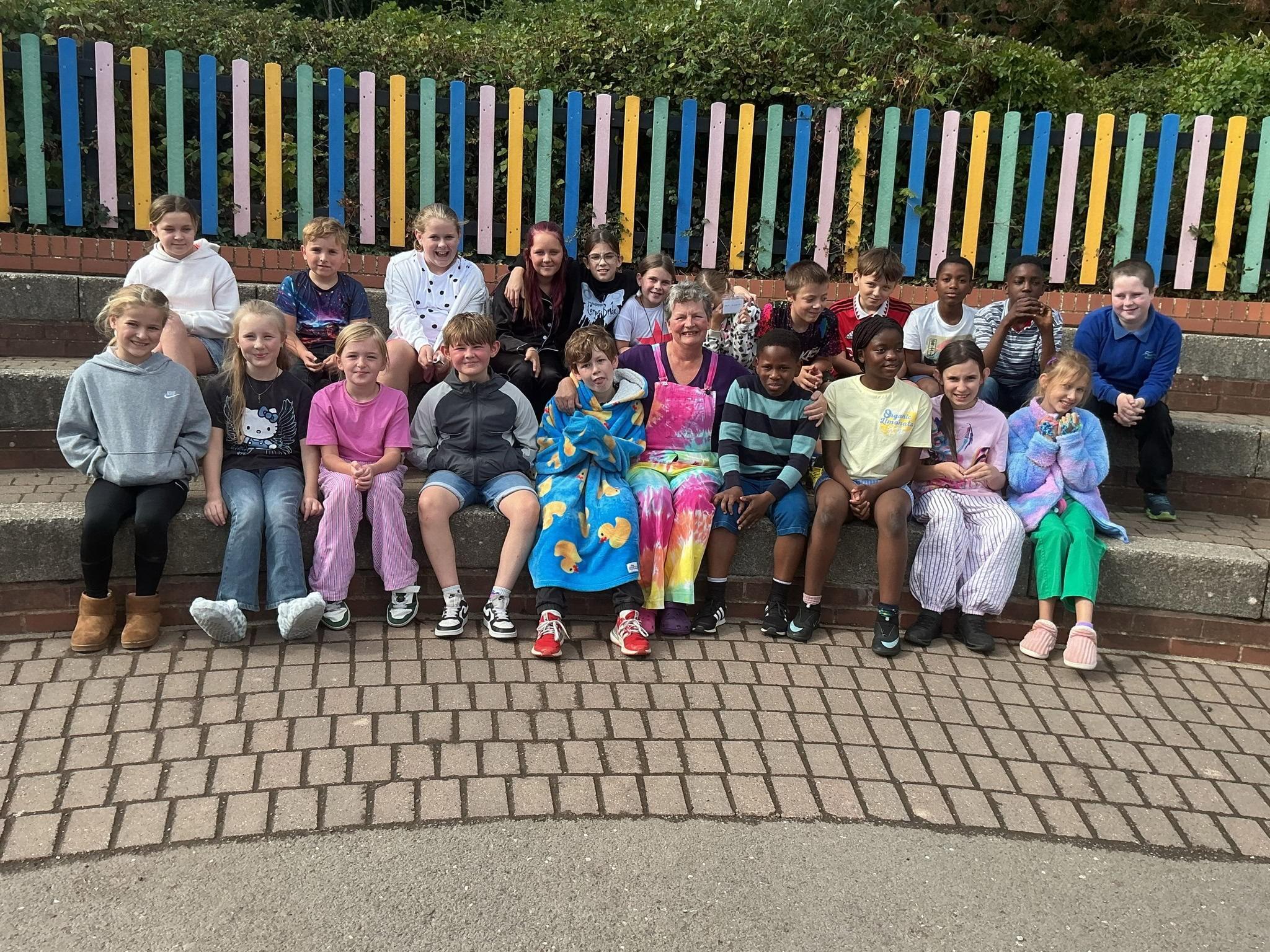
Wynstream Primary School held a special day of celebration for Mrs Bassett, a teaching assistant, to mark her 40th year of service at the school.
Mrs Bassett originally volunteered to help with reading at the school before taking up an official position in September 1986.
One of the reasons why she is so appreciated by everyone at Wynstream is that she wears colourful clothing every day. Each day is a different outfit, often colour themed and she takes requests from the children about what she should wear.
Favourite outfits include a flamingo themed one, for which she dons special flamingo slippers, earring and leggings.
The school invited pupils, staff members and parents to dress as colourfully as Mrs Bassett does to create a special atmosphere for her and demonstrate how much she is valued by the entire school community.
Elise Redman, headteacher at Wynstream Primary School said:
“Mrs Bassett really is the heart of Wynstream. For four decades, she has brought kindness, joy and an incredible sense of fun to our school, and her colourful outfits are just one small part of what makes her so special.
“She remembers everyone’s birthdays, decorates the staffroom for different celebrations and always notices when someone needs a little extra care. She gives so much of herself to our school community, and we wanted to make sure she knew just how loved and appreciated she is.”
Matthew Shanks, CEO of Education South West said:
“Mrs Bassett’s colourful outfits may be what everyone notices first, but behind the bright clothes is someone who has spent forty years caring for the children and families of Wynstream.
“To see pupils, parents and colleagues all dressing colourfully to celebrate her was a wonderful tribute, it is clear that Mrs Bassett has become a very special part of the fabric of the school.”
-
October 9th, 2026
Steplab Hub Open Day at Kingsbridge Primary School As a Steplab Hub School, Kingsbridge Primary School are hosting an open day on 12th November. This event is designed for school leaders and teachers interested in strengthening professional development, coaching and deliberate practice in their schools. Join them to: • See professional development in practice• Learn how they use Steplab to support teacher development• Connect with other school leaders and share ideas Date: Thursday 12 NovemberTime: 11:00am - 4:30pm Location: Kingsbridge Primary School, Kingsbridge Register here:https://hubs.steplab.co/KingsbridgeCommunityPrimarySchoolAutumn#/
Steplab Hub Open Day at Kingsbridge Primary School
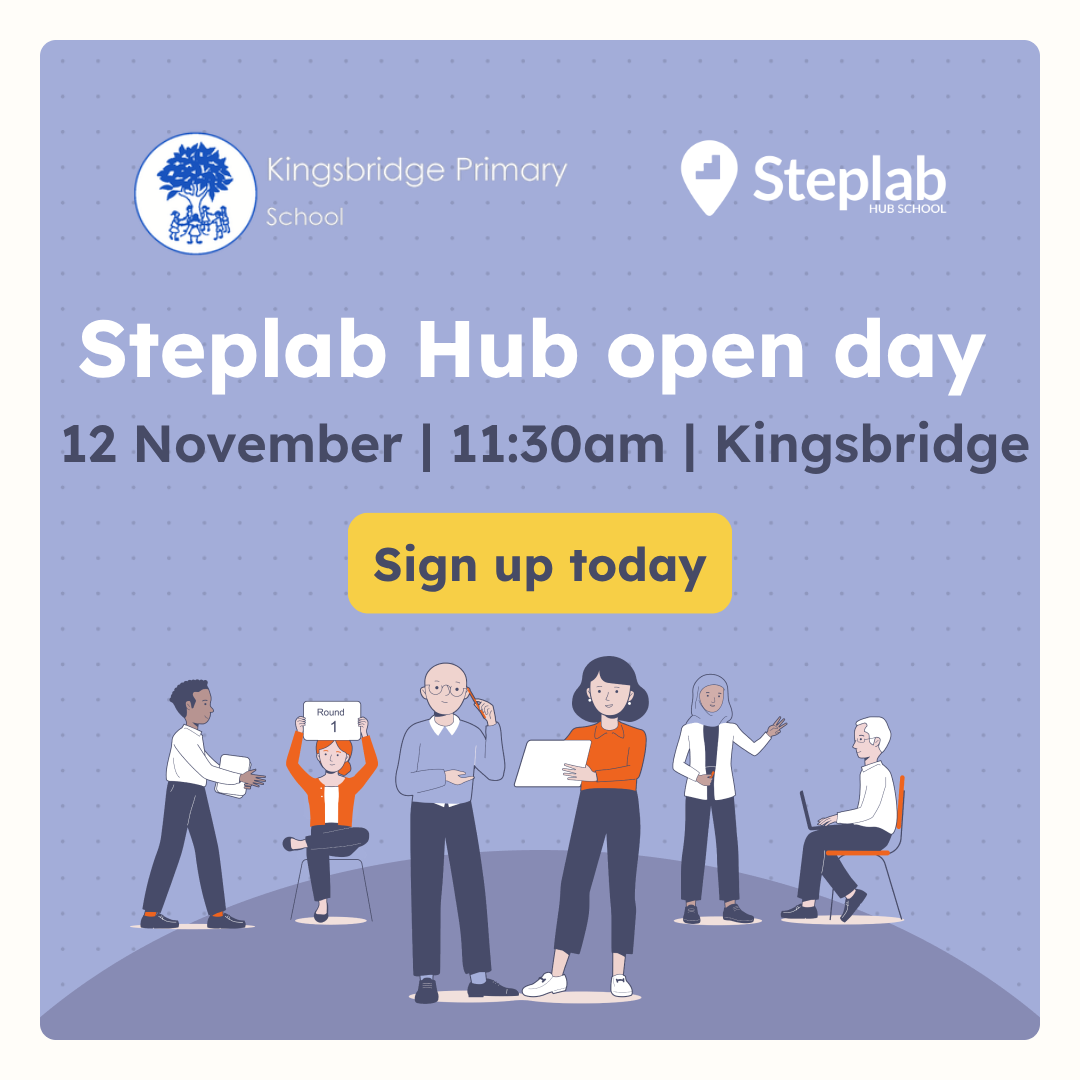
As a Steplab Hub School, Kingsbridge Primary School are hosting an open day on 12th November.
This event is designed for school leaders and teachers interested in strengthening professional development, coaching and deliberate practice in their schools.
Join them to:
• See professional development in practice
• Learn how they use Steplab to support teacher development
• Connect with other school leaders and share ideasDate: Thursday 12 November
Time: 11:00am - 4:30pmLocation: Kingsbridge Primary School, Kingsbridge
Register here:
https://hubs.steplab.co/KingsbridgeCommunityPrimarySchoolAutumn#/
-
October 9th, 2026
Coombeshead Academy Gives Students the Spotlight with Sixth Form Instagram Takeover A student at Coombeshead Sixth Form College, is taking over the school’s sixth form Instagram account to give prospective students an authentic, student-led glimpse into life at the sixth form. Year 13 student Ruby is taking the reins of @coombesheadsixthformcollege, sharing her experience of sixth form through Instagram posts and stories throughout the day. From what a typical day looks like to the activities, experiences and opportunities available to students, the takeover offers a behind-the-scenes look at sixth form life directly from a student’s perspective. The takeover gives Ruby and her fellow students the opportunity to showcase the things they enjoy about Sixth Form, while helping future students get a genuine feel for what it is like to be part of the Coombeshead community. The takeover comes as Coombeshead Academy continues to welcome prospective students and their families to the school, with an upcoming open mornings taking place on Thursday the 8th of October, from 9.30am to 11.30am. The open morning provides an opportunity to see the school in action, explore its facilities, meet staff and student tour guides, and experience the school community first-hand. Places must be booked in advance via www.ticketsource.com/coombeshead. James Thomas, head of sixth form at Coombeshead Sixth Form College said: “Sixth form is such an important time for our students, and there is no better way for prospective students to understand what life here is really like than by hearing directly from the young people who are experiencing it. “Ruby’s takeover gives her the opportunity to share her own experience, from the everyday moments of Sixth Form life to the opportunities and experiences that make Coombeshead such a special place to study.” Ruby said: “The role I have been given at Sixth form has really helped me get more involved in the school and strengthen my bonds with other students and teachers. I’m so grateful that the school entrusted me to take on this important role, and I hope it brings the attention that the sixth form deserves.”
Coombeshead Academy Gives Students the Spotlight with Sixth Form Instagram Takeover
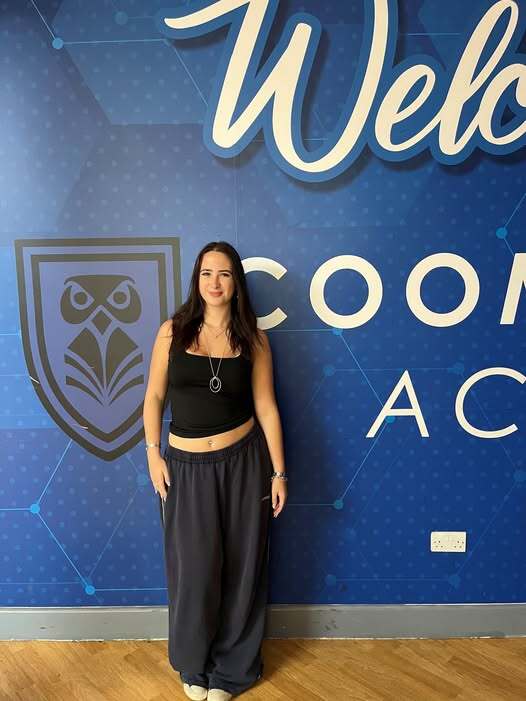
A student at Coombeshead Sixth Form College, is taking over the school’s sixth form Instagram account to give prospective students an authentic, student-led glimpse into life at the sixth form.
Year 13 student Ruby is taking the reins of @coombesheadsixthformcollege, sharing her experience of sixth form through Instagram posts and stories throughout the day.
From what a typical day looks like to the activities, experiences and opportunities available to students, the takeover offers a behind-the-scenes look at sixth form life directly from a student’s perspective.
The takeover gives Ruby and her fellow students the opportunity to showcase the things they enjoy about Sixth Form, while helping future students get a genuine feel for what it is like to be part of the Coombeshead community.
The takeover comes as Coombeshead Academy continues to welcome prospective students and their families to the school, with an upcoming open mornings taking place on Thursday the 8th of October, from 9.30am to 11.30am.
The open morning provides an opportunity to see the school in action, explore its facilities, meet staff and student tour guides, and experience the school community first-hand. Places must be booked in advance via www.ticketsource.com/coombeshead.
James Thomas, head of sixth form at Coombeshead Sixth Form College said:
“Sixth form is such an important time for our students, and there is no better way for prospective students to understand what life here is really like than by hearing directly from the young people who are experiencing it.
“Ruby’s takeover gives her the opportunity to share her own experience, from the everyday moments of Sixth Form life to the opportunities and experiences that make Coombeshead such a special place to study.”
Ruby said:
“The role I have been given at Sixth form has really helped me get more involved in the school and strengthen my bonds with other students and teachers. I’m so grateful that the school entrusted me to take on this important role, and I hope it brings the attention that the sixth form deserves.”
-
October 2nd, 2026
South Devon UTC Students Make a Difference in Costa Rica After 18 Months of Fundraising Eight students from South Devon UTC have returned from an unforgettable expedition to Costa Rica, following 18 months of fundraising and preparation for the life-changing experience. Accompanied by Sixth Form Lead Miss Betty, the students travelled to one of the world's most biodiverse countries, where they combined community volunteering and environmental conservation with cultural experiences and a host of once-in-a-lifetime adventures. The students had worked tirelessly for a year and a half to raise the funds needed to take part in the expedition, making their arrival in Costa Rica a particularly rewarding moment. During their time in the country, they worked alongside local communities and the Bri Bri people on a range of construction and conservation projects designed to make a lasting difference. Their work included improvements to local schools, the restoration of community meeting areas and construction projects such as retaining walls and drainage systems to support local infrastructure. The students also contributed to a number of environmental projects, taking part in reforestation initiatives, beach clean-ups and recycling programmes to help protect Costa Rica's unique natural environment. The expedition also provided opportunities for the students to experience Costa Rican culture and build connections with local young people. They took part in football matches and community activities, learned traditional salsa and Costa Rican dances, made jewellery and learned how to cook traditional dishes. One particularly memorable experience saw the students learn how to make chocolate from bean to bar, following the process from harvesting cacao through to producing the finished product. There was also plenty of opportunity to explore Costa Rica's extraordinary wildlife. Students took part in guided walking safaris and bug hunts, while surfing and snorkelling gave them the chance to experience the country's spectacular coastline. For some of the group, the adventure went even further, with students spending four days working towards their PADI scuba diving qualification. Travelling by speedboat to an island around an hour from the mainland, they completed their training while exploring the vibrant marine life of the Pacific Ocean. The expedition has given the students experiences and memories that will stay with them long after their return to South Devon UTC. Alongside new skills and qualifications, they have returned with a greater understanding of global communities, sustainable development and the importance of working together to make a positive difference. Claire Plumb, Headteacher at South Devon UTC, said: “This experience has been truly transformational for everyone involved. The students worked incredibly hard, stepped outside their comfort zones and fully embraced every opportunity that came their way. “They should be immensely proud of the impact they have made and the legacy they have left behind in Costa Rica. After 18 months of fundraising and preparation, it was wonderful that they made the most of every moment.” Matthew Shanks, CEO of Education South West said: “Opportunities like this are an important part of helping young people develop the resilience and independence they need to thrive beyond school. It is fantastic to see them returning with new skills, qualifications and experiences, but also with a deeper understanding of different cultures.”
South Devon UTC Students Make a Difference in Costa Rica After 18 Months of Fundraising
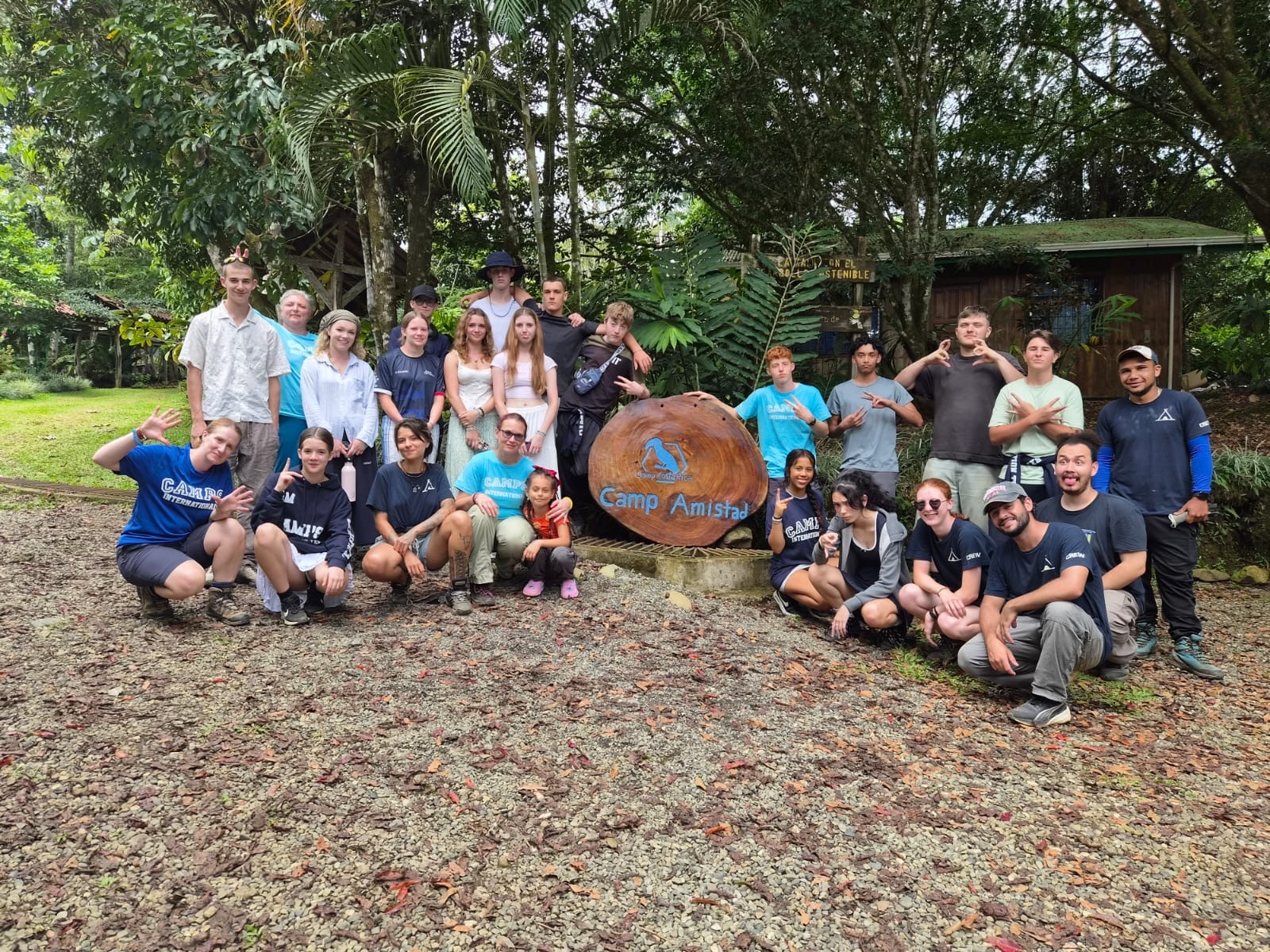
Eight students from South Devon UTC have returned from an unforgettable expedition to Costa Rica, following 18 months of fundraising and preparation for the life-changing experience.
Accompanied by Sixth Form Lead Miss Betty, the students travelled to one of the world's most biodiverse countries, where they combined community volunteering and environmental conservation with cultural experiences and a host of once-in-a-lifetime adventures.
The students had worked tirelessly for a year and a half to raise the funds needed to take part in the expedition, making their arrival in Costa Rica a particularly rewarding moment.
During their time in the country, they worked alongside local communities and the Bri Bri people on a range of construction and conservation projects designed to make a lasting difference.
Their work included improvements to local schools, the restoration of community meeting areas and construction projects such as retaining walls and drainage systems to support local infrastructure.
The students also contributed to a number of environmental projects, taking part in reforestation initiatives, beach clean-ups and recycling programmes to help protect Costa Rica's unique natural environment.
The expedition also provided opportunities for the students to experience Costa Rican culture and build connections with local young people. They took part in football matches and community activities, learned traditional salsa and Costa Rican dances, made jewellery and learned how to cook traditional dishes.
One particularly memorable experience saw the students learn how to make chocolate from bean to bar, following the process from harvesting cacao through to producing the finished product.
There was also plenty of opportunity to explore Costa Rica's extraordinary wildlife. Students took part in guided walking safaris and bug hunts, while surfing and snorkelling gave them the chance to experience the country's spectacular coastline.
For some of the group, the adventure went even further, with students spending four days working towards their PADI scuba diving qualification. Travelling by speedboat to an island around an hour from the mainland, they completed their training while exploring the vibrant marine life of the Pacific Ocean.
The expedition has given the students experiences and memories that will stay with them long after their return to South Devon UTC. Alongside new skills and qualifications, they have returned with a greater understanding of global communities, sustainable development and the importance of working together to make a positive difference.
Claire Plumb, Headteacher at South Devon UTC, said:
“This experience has been truly transformational for everyone involved. The students worked incredibly hard, stepped outside their comfort zones and fully embraced every opportunity that came their way.
“They should be immensely proud of the impact they have made and the legacy they have left behind in Costa Rica. After 18 months of fundraising and preparation, it was wonderful that they made the most of every moment.”
Matthew Shanks, CEO of Education South West said:
“Opportunities like this are an important part of helping young people develop the resilience and independence they need to thrive beyond school. It is fantastic to see them returning with new skills, qualifications and experiences, but also with a deeper understanding of different cultures.”
-
October 1st, 2026
Dartmouth Academy Inspires Young Readers with Special Author Visits as Part of Dartmouth Book Festival Pupils from Dartmouth Academy were transported into a world of books and storytelling when three authors visited the school as part of this year’s Dartmouth Book Festival. Children from years 1 to 6 at Dartmouth Academy, alongside pupils from Stoke Fleming Primary School and St John’s Primary School, enjoyed a day of inspiring sessions with authors Erin Allgrove, Margaret Bateson-Hill and Emma Swan, author and star of Horrible Histories. The event gave pupils the opportunity to meet published authors, hear stories brought to life and discover new books, helping to nurture a love of reading and storytelling. Among the books showcased during the day were Bosun Bob, Seagull Scruff, Lao Lao of Dragon Mountain and The Cruise Ship Kid, giving pupils plenty of new stories and characters to discover. Emma Swan, whose session was described as particularly engaging and hilarious, also left signed bookplates at the school. Pupils who bring a copy of The Cruise Ship Kid into school can have one of the special bookplates added to their book. The event was organised as part of the Dartmouth Book Festival, with the aim of bringing the joy of books and meeting authors directly to local children. The participating schools hope the experience will leave pupils excited about reading and keen to discover more books and stories. Paul Girardot, principal at Dartmouth Academy, said: “Days like this are a fantastic way to bring books and storytelling to life for our pupils. Having the opportunity to meet authors, hear directly from them about their stories and discover new books can make a real difference to a child’s enthusiasm for reading. “It was wonderful to see the children so engaged, excited and eager to talk about the stories they had heard. We are very grateful to everyone involved in making this special event possible and for giving our pupils such a memorable experience and especially to Erin Allgrove for all her help organising the day.” Matthew Shanks, CEO of Education South West said: “Developing a love of reading is about so much more than what happens in the classroom. Opportunities like the Dartmouth Book Festival give children the chance to experience the creativity, imagination and joy that books can bring, while meeting the people who create those stories. “Bringing authors into our schools also helps children to see reading as something exciting and relevant, and we are delighted that pupils from across our local schools were able to take part in such an engaging and inspiring day.”
Dartmouth Academy Inspires Young Readers with Special Author Visits as Part of Dartmouth Book Festival
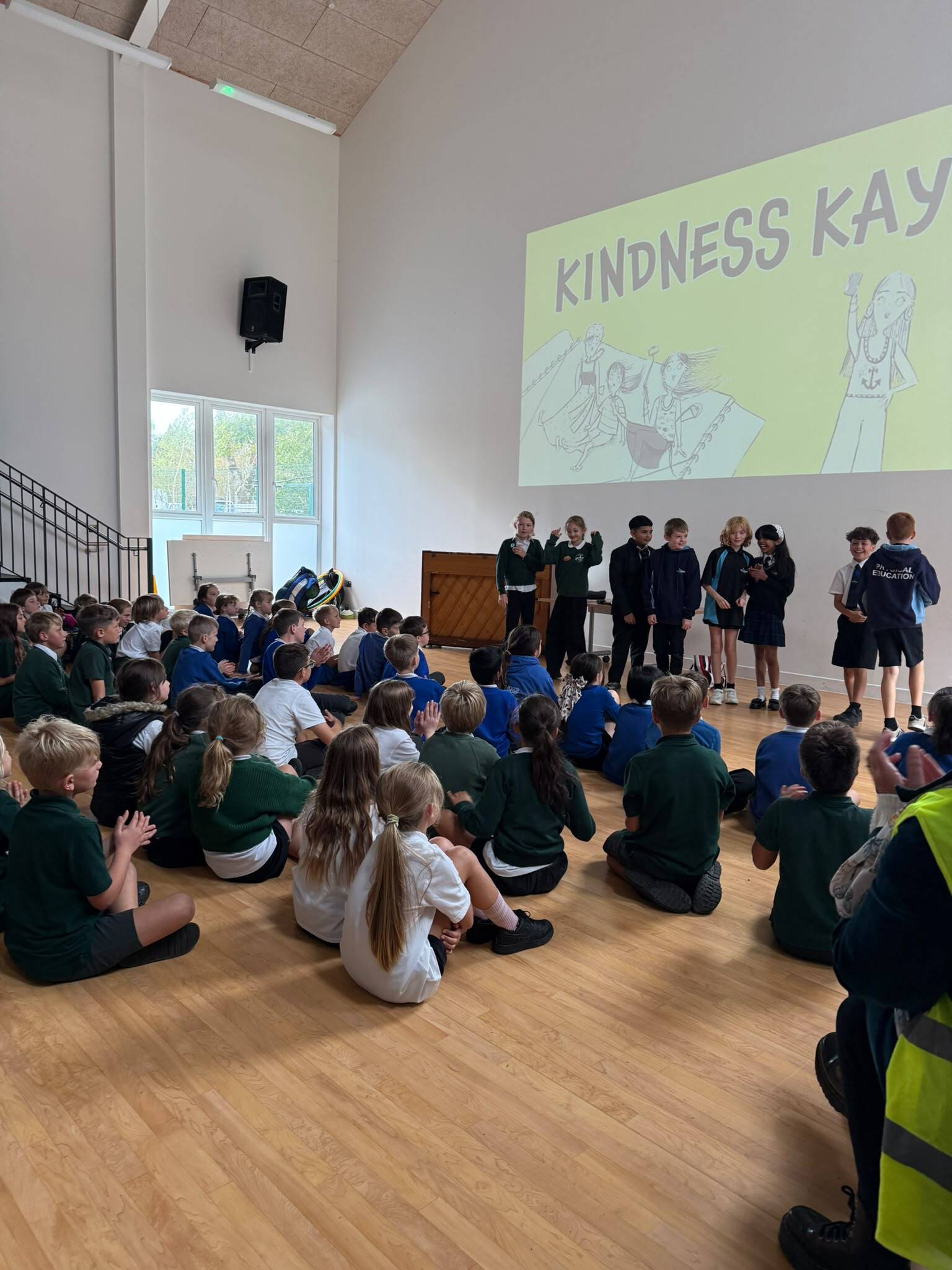
Pupils from Dartmouth Academy were transported into a world of books and storytelling when three authors visited the school as part of this year’s Dartmouth Book Festival.
Children from years 1 to 6 at Dartmouth Academy, alongside pupils from Stoke Fleming Primary School and St John’s Primary School, enjoyed a day of inspiring sessions with authors Erin Allgrove, Margaret Bateson-Hill and Emma Swan, author and star of Horrible Histories.
The event gave pupils the opportunity to meet published authors, hear stories brought to life and discover new books, helping to nurture a love of reading and storytelling.
Among the books showcased during the day were Bosun Bob, Seagull Scruff, Lao Lao of Dragon Mountain and The Cruise Ship Kid, giving pupils plenty of new stories and characters to discover.
Emma Swan, whose session was described as particularly engaging and hilarious, also left signed bookplates at the school. Pupils who bring a copy of The Cruise Ship Kid into school can have one of the special bookplates added to their book.
The event was organised as part of the Dartmouth Book Festival, with the aim of bringing the joy of books and meeting authors directly to local children. The participating schools hope the experience will leave pupils excited about reading and keen to discover more books and stories.
Paul Girardot, principal at Dartmouth Academy, said:
“Days like this are a fantastic way to bring books and storytelling to life for our pupils. Having the opportunity to meet authors, hear directly from them about their stories and discover new books can make a real difference to a child’s enthusiasm for reading.
“It was wonderful to see the children so engaged, excited and eager to talk about the stories they had heard. We are very grateful to everyone involved in making this special event possible and for giving our pupils such a memorable experience and especially to Erin Allgrove for all her help organising the day.”
Matthew Shanks, CEO of Education South West said:
“Developing a love of reading is about so much more than what happens in the classroom. Opportunities like the Dartmouth Book Festival give children the chance to experience the creativity, imagination and joy that books can bring, while meeting the people who create those stories.
“Bringing authors into our schools also helps children to see reading as something exciting and relevant, and we are delighted that pupils from across our local schools were able to take part in such an engaging and inspiring day.”
-
September 25th, 2026
From South Devon UTC to Dream Job Restoring Classic Volkswagens A passion for classic vehicles and a strong foundation in engineering have helped former South Devon UTC student George Hopper drive straight into a successful career in the automotive industry. Now aged 18, George is working as a Heritage Vehicle Technician with Type 2 Detectives in Cambridge, a specialist company focused on restoring and maintaining classic Volkswagen vehicles. While studying at South Devon UTC George achieved a Level 2 Distinction in Engineering Manufacture and Engineering Design and a Level 2 Merit in Engineering Systems. During his time at the college, it was clear that he had both the talent and determination to pursue a career centred around his passion for building and restoring classic VW cars and vans. George credits his engineering studies for helping him make a successful transition into the workplace saying: "I learned a great deal on my Engineering Manufacturing course. The course gave me an understanding of engineering systems and fault-finding techniques. In an automotive workshop, these skills help technicians diagnose mechanical issues, identify worn components and understand how vehicle systems operate." The practical, hands-on nature of learning at South Devon UTC is designed to prepare students for exactly these kinds of careers, combining technical knowledge with real-world industry experience. George's success highlights the opportunities available to young people who pursue technical education and demonstrates how South Devon UTC helps students turn their interests into rewarding careers. As George continues to develop his career restoring and maintaining iconic classic Volkswagens, he serves as an inspiration to current and future UTC students considering a pathway into engineering and advanced manufacturing. Claire Plumb, Headteacher at South Devon UTC, said: "George's journey is a fantastic example of what can be achieved when talent, passion and technical education come together. We are incredibly proud of what he has accomplished and delighted to see him building a successful career in an industry he loves. His story shows how the skills developed at South Devon UTC can open doors to exciting opportunities and equip students with the confidence and expertise to succeed."
From South Devon UTC to Dream Job Restoring Classic Volkswagens
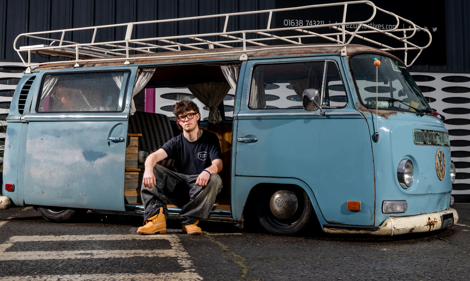
A passion for classic vehicles and a strong foundation in engineering have helped former South Devon UTC student George Hopper drive straight into a successful career in the automotive industry.
Now aged 18, George is working as a Heritage Vehicle Technician with Type 2 Detectives in Cambridge, a specialist company focused on restoring and maintaining classic Volkswagen vehicles.
While studying at South Devon UTC George achieved a Level 2 Distinction in Engineering Manufacture and Engineering Design and a Level 2 Merit in Engineering Systems.
During his time at the college, it was clear that he had both the talent and determination to pursue a career centred around his passion for building and restoring classic VW cars and vans.
George credits his engineering studies for helping him make a successful transition into the workplace saying:
"I learned a great deal on my Engineering Manufacturing course. The course gave me an understanding of engineering systems and fault-finding techniques. In an automotive workshop, these skills help technicians diagnose mechanical issues, identify worn components and understand how vehicle systems operate."
The practical, hands-on nature of learning at South Devon UTC is designed to prepare students for exactly these kinds of careers, combining technical knowledge with real-world industry experience.
George's success highlights the opportunities available to young people who pursue technical education and demonstrates how South Devon UTC helps students turn their interests into rewarding careers.
As George continues to develop his career restoring and maintaining iconic classic Volkswagens, he serves as an inspiration to current and future UTC students considering a pathway into engineering and advanced manufacturing.
Claire Plumb, Headteacher at South Devon UTC, said:
"George's journey is a fantastic example of what can be achieved when talent, passion and technical education come together. We are incredibly proud of what he has accomplished and delighted to see him building a successful career in an industry he loves. His story shows how the skills developed at South Devon UTC can open doors to exciting opportunities and equip students with the confidence and expertise to succeed."